The current rule
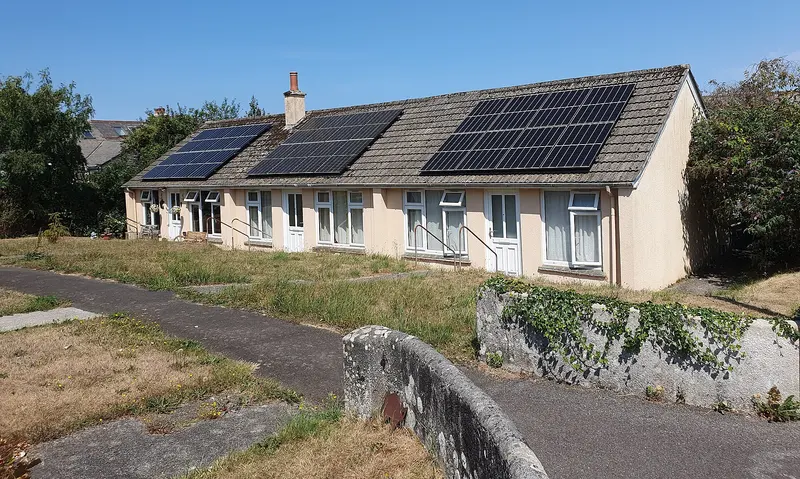
Installing solar panels in homes in Great Britain has been zero-rated for VAT since 1 May 2023. The zero rate runs until 31 March 2027, after which it is due to go back to the reduced rate of 5%. It covers "PV panels with cabling, control panel and AC/DC inverter", as well as solar thermal collectors.
In Northern Ireland, the 5% rate applied from 1 October 2019 to 30 April 2023, and the 0% rate has applied since 1 May 2023, with the same end date.
Batteries
Since 1 February 2024, batteries installed in homes also qualify for 0% VAT. That includes batteries added to existing solar, standalone batteries connected to the grid, and batteries charged from both solar and the grid.
What isn't covered
- Materials without installation. Kits bought from a shop and fitted yourself are charged at the standard rate (20%). That includes plug-in solar kits.
- Non-residential buildings, such as business premises. See solar for businesses.
Check your quote
Citizens Advice says to check your quote shows the correct VAT rate. If you're planning solar, an installation completed by 31 March 2027 is currently due to be zero-rated.
Don't confuse it with VAT on electricity
Separately, VAT on household electricity bills in Great Britain is 0% from 1 October 2026 to 31 March 2027 (it was 5%). It stays at 5% in Northern Ireland, and VAT on gas stays at 5%. Cheaper electricity slightly reduces what each unit of solar you use yourself is worth — our savings estimator uses the current price cap rate.
Sources
- HMRC VAT Notice 708/6: Energy-saving materials and heating equipment
- HMRC Brief 10 (2026): Temporary zero rate of VAT for domestic electricity in GB
- Ofgem: Energy price cap unit rates and standing charges
- Citizens Advice: Find an installer for energy efficiency home improvements
This guide is general information, not financial or legal advice. Rules and prices change, and some differ between England, Wales, Scotland and Northern Ireland — check the sources for your situation.