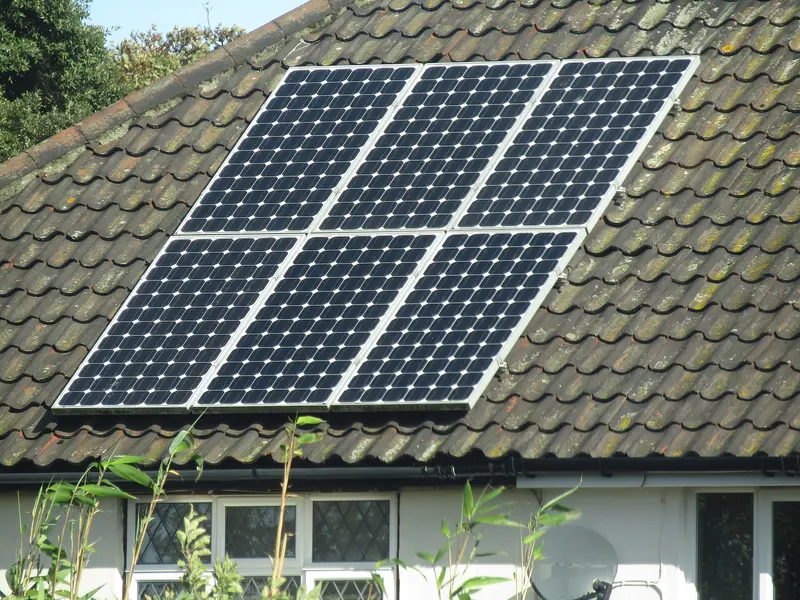
Not much to do
The Energy Saving Trust (EST) says solar panels need little maintenance. The main job is keeping nearby trees trimmed so they don't shade the panels.
Your installer should leave you written maintenance checks, a guide to the inverter's main fault signals and troubleshooting advice.
Cleaning
In the UK, rain keeps panels clean if they're tilted at 15° or more. Ground-mounted panels, and panels in dusty places, may need cleaning now and then.
If you do want them cleaned:
- don't climb onto the roof — use a professional cleaner, or clean ground-level panels from the ground
- check the panel maker's cleaning instructions, so you don't damage the panels or affect the warranty
Some firms in our directory offer panel cleaning and bird-proofing (mesh to stop birds nesting under panels).
The inverter
EST says an inverter usually needs replacing after about 12 years — sooner than the panels, which should last 25 years or more. Inverter warranties are usually at least 5 years and can often be extended to 15, though a long extended warranty can cost almost as much as a new inverter.
Many inverters have online monitoring and email alerts, which help you spot a fault quickly.
Output over time
Panels slowly make less electricity as they age. A research review of nearly 2,000 measurements found a median loss of about 0.5% a year.
Watch out for scams
Trading Standards has warned about cold callers telling solar owners their inverter needs replacing, a part is faulty, or a battery will "boost" their panels. Don't give details over the phone — contact your original installer instead, or get several quotes from reputable firms. See scams and pressure selling.
Useful kit
Our owner's kit page lists cleaning tools and energy monitors you can search for on Amazon.
Sources
- Energy Saving Trust: Solar panels
- NREL/OSTI: Photovoltaic Degradation Rates — An Analytical Review
- Trading Standards consumer alerts, March 2026 (parish council relay)
This guide is general information, not financial or legal advice. Rules and prices change, and some differ between England, Wales, Scotland and Northern Ireland — check the sources for your situation.